
Church Revitalisation
In a new church plant, you take the DNA of something and plant it into a fresh environment, usually into its own legal structure with no need to change existing systems. Revitalisation, however, is different. It’s about bringing a new culture into an existing institution — one that requires layers of change management, emotional intelligence, and the ability to impart vision within long-established frameworks.
Many churches and denominations want to change but struggle to figure out what the first steps are. That’s where Toby has been able to step in — working on the ground rather than from a distance, walking alongside leaders and congregations in East London to identify hurdles, develop agility, and build the foundations for future growth.
Church revitalisation is a unique and essential part of renewing the life of existing churches and communities.
The Approach
Toby’s revitalisation work focuses on interim ministry — typically two years to eighteen months — designed to reset churches for long-term sustainability. His role combines the catalytic energy of a church planter with the organisational skill of a change leader.
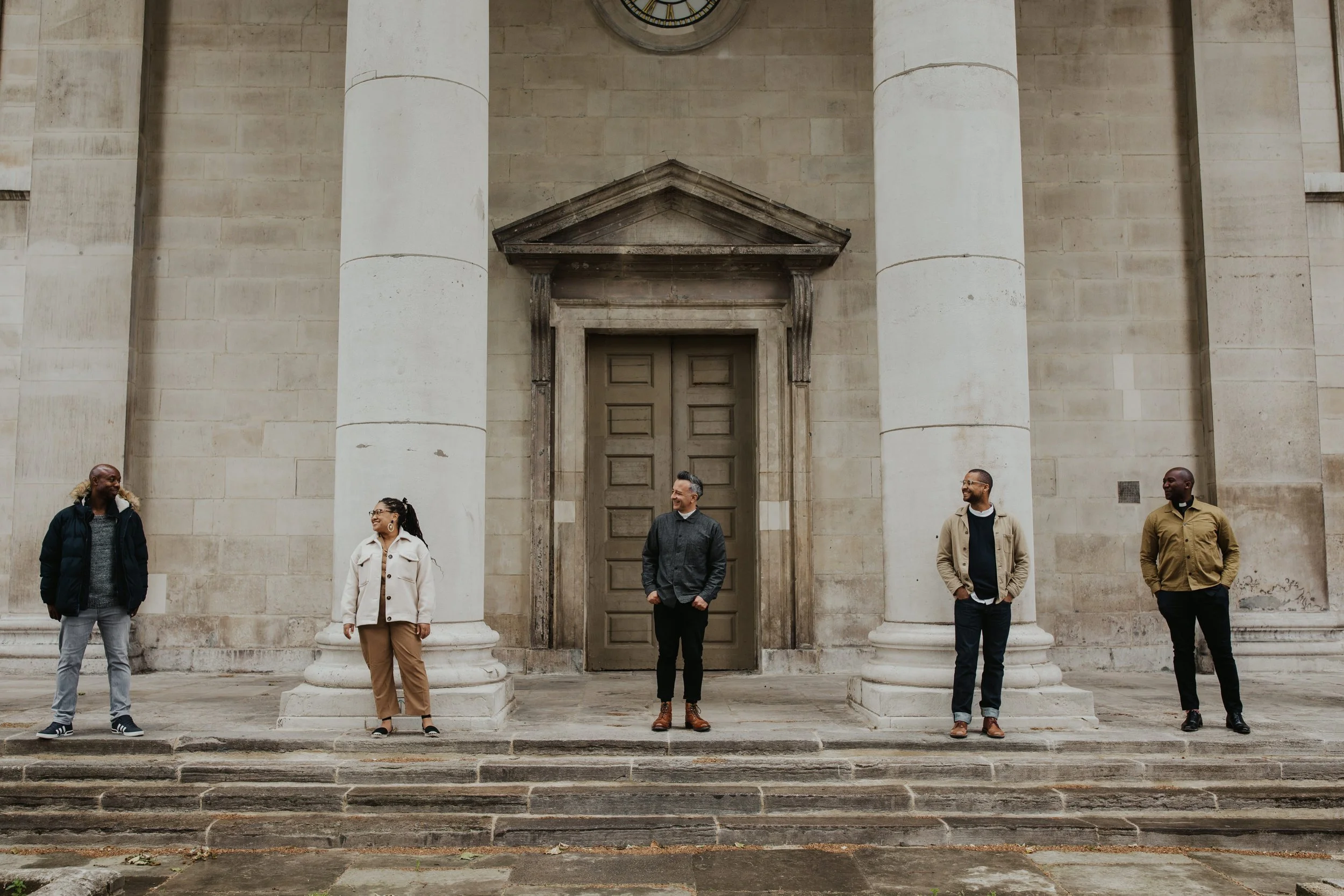
Toby was first invited by SAINT and the Bishop of Stepney to revitalise one of East London’s most well-known churches, St Leonard’s, Shoreditch, famously featured in the TV show Rev. The parish had been without a senior leader for two years following the retirement of a vicar who had served for 33 years. During that time, it faced decline, operational complexity, and underdeveloped lay leadership, compounded by COVID disruptions.
Shoreditch had an incredible building in one of East London’s most strategic locations, but revitalising it required both change management and stakeholder engagement. Toby worked with the central SAINT team to reset back-end operations including aligning systems, detangling old contracts, addressing legal and tenancy issues, and re-establishing financial sustainability by maximising the use of assets like the vicarage and auxiliary spaces.
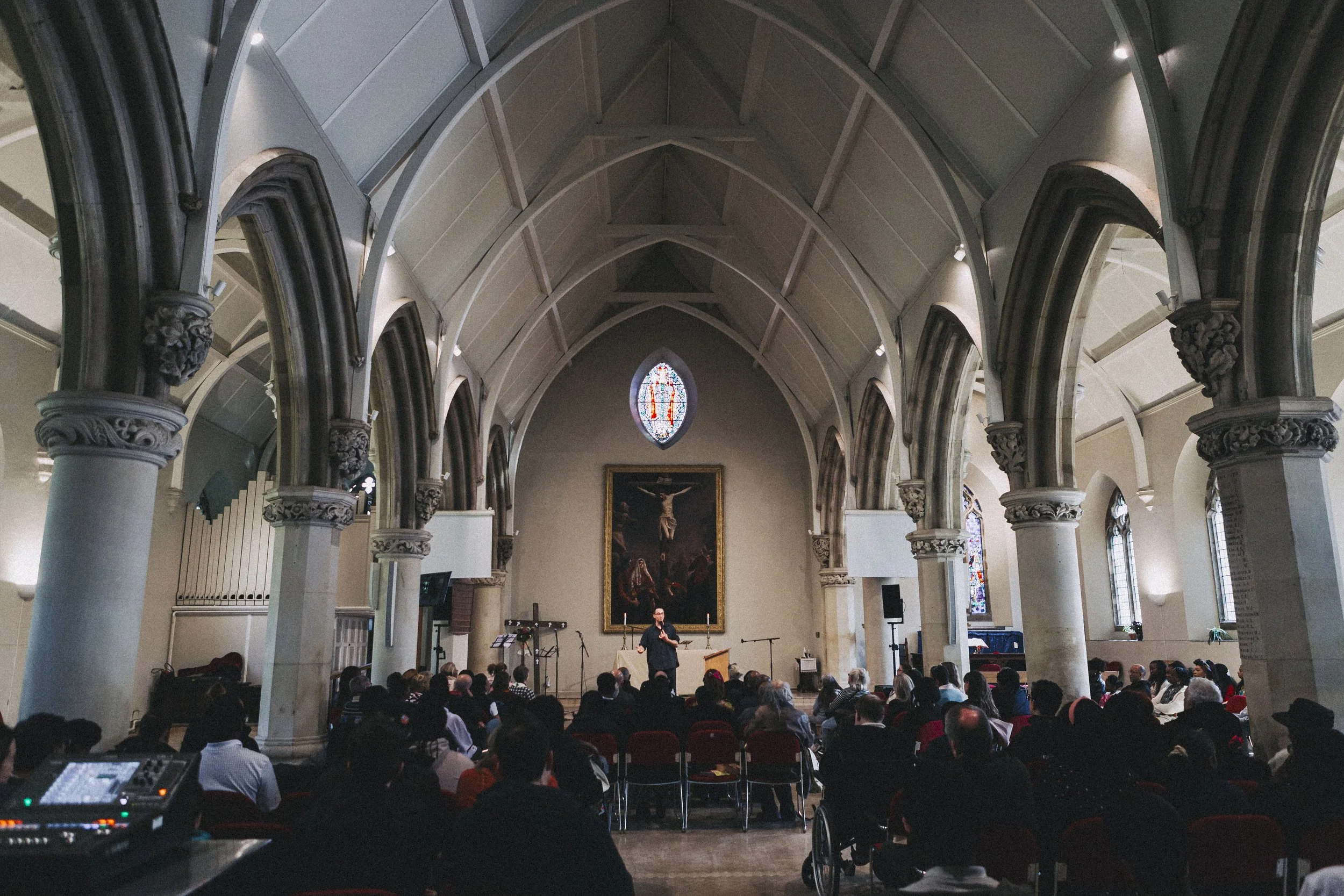
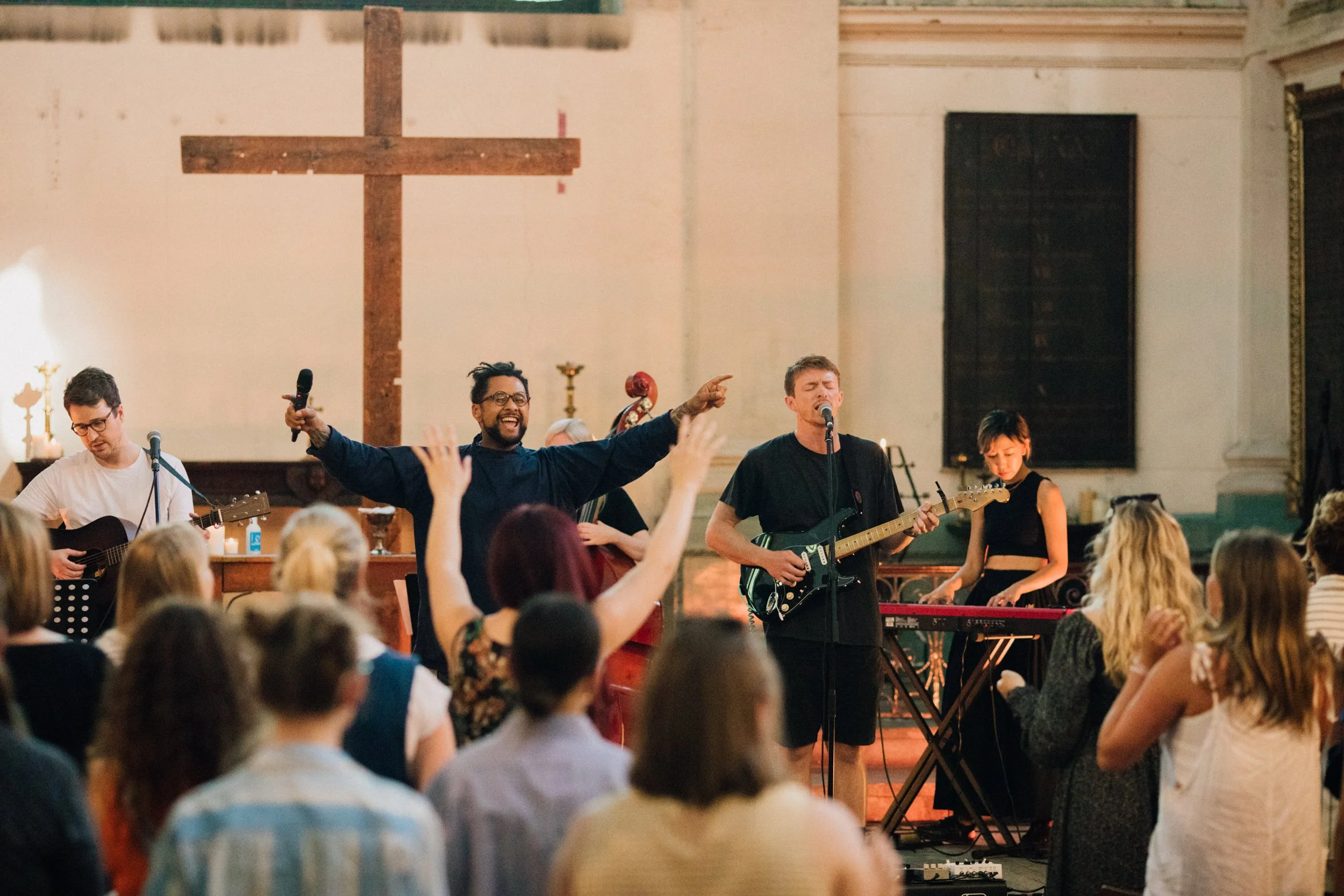
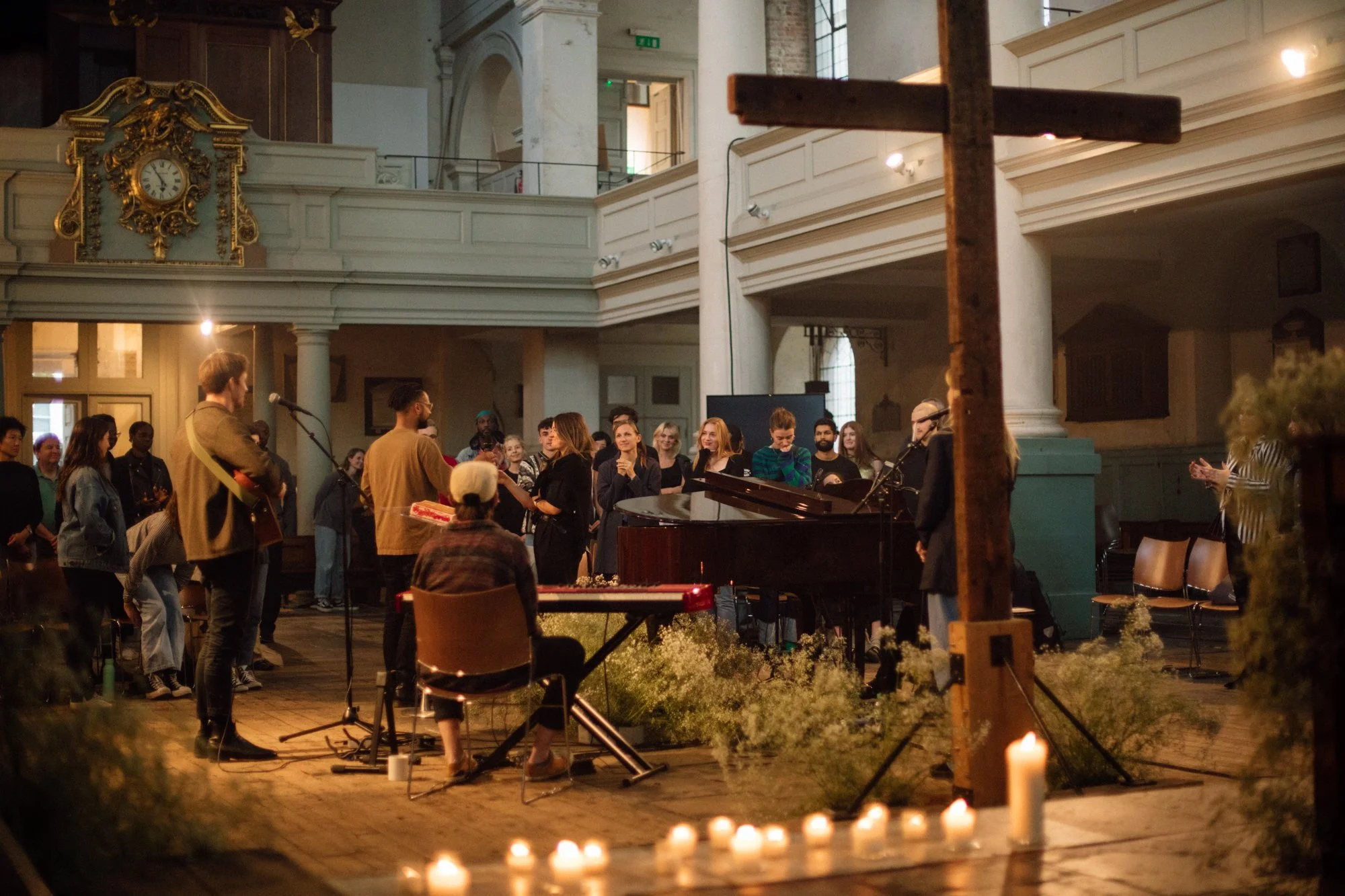
Alongside these operational resets, he began rebuilding trust and vision within the congregation. Over six months, he introduced members from the resource church community to help lay relational and spiritual foundations for a new worshipping community. In 2021, they launched a new evening service that became the catalyst for renewed life, leading to Alpha courses, small groups, and community growth.
Following the work at Shoreditch, Toby was asked to continue pastoring the evening congregation while also taking on St Barnabas, Homerton, a neighbouring parish in one of England’s six most deprived communities. The context was very different — a neighbourhood church rather than a city-centre one — and required a deep commitment to mission and compassion as well as organisational renewal.
The systems at St Barnabas needed updating and integrating with the wider SAINT network. Toby worked with the existing team on cultural change and expectation-setting, helping them grow into a unified, vibrant community. The church already hosted a thriving food pantry and open community lunches, but these ministries needed support to become sustainable and safe. Within nine months, the church moved from being three separate sites to one congregation across two locations, focusing energy and unity around Sunday worship and local engagement.
Outcomes and Impact
-
Grew from 19 people to 200–250 across three services by 2023.
Completed a full operational and cultural reset that enabled long-term stability.
Successfully transitioned to new leadership under Mark Nelson, who planted a third congregation and continued growth beyond sustainability goals.
-
Attendance grew from 40 to over 90 within the first year.
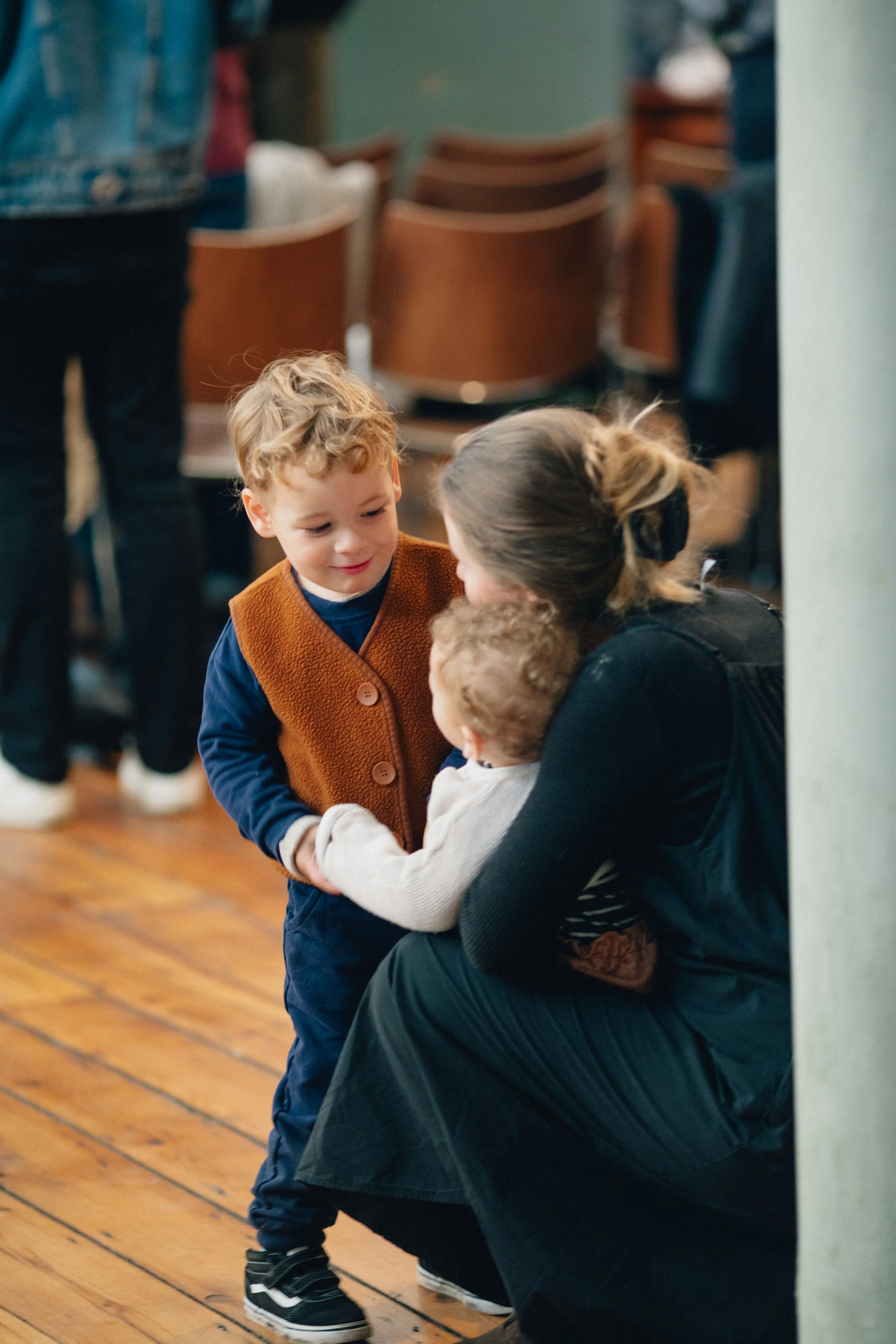
Strengthened local outreach through a food pantry, open community lunches, youth service, and baby group.
Unified three sites into one cohesive community with revitalised worship and mission.
-
Capability-building was central — ensuring ministries were safe, compliant, and led by empowered local teams.
Revitalisation wasn’t about replacing what existed but walking alongside communities to strengthen and grow what was already there.
Across both parishes, organisational health, cultural renewal, and relational leadership came together to create vibrant, sustainable churches with renewed life, purpose, and mission.

If you’re revitalising a church and would love help thinking through how think through how to best do this in a way that serves both the existing community and makes space for the new - let’s talk.